FROM NARCISSISTIC CONFLICT TO CHRIST-CENTERED RESTORATION
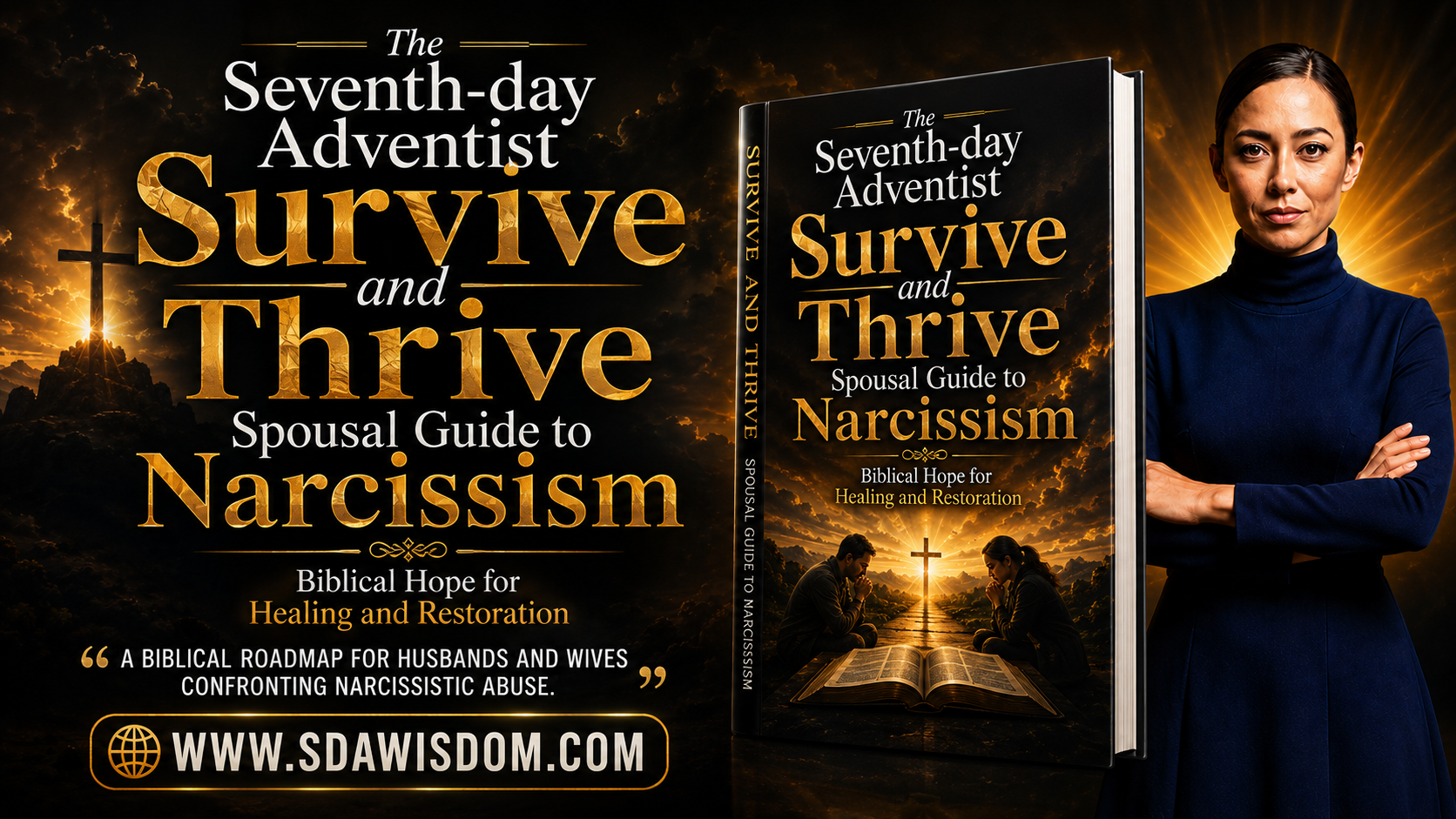
Discover biblical guidance for recognizing narcissistic behavior, establishing healthy boundaries, healing emotional wounds, rebuilding trust, protecting children, strengthening communication, and restoring marriage through Christ. This Digital Playbook equips Seventh-day Adventist husbands and wives to reject selfishness, pursue spiritual transformation, and build homes that faithfully reflect God's character.

INTRODUCTION Understanding Marriage Through The Great Controversy
Marriage was established by God to reflect selfless love, faithfulness, unity, and service, yet Satan has attacked the family through pride, selfishness, manipulation, and deception since Eden. This section establishes marriage within the Great Controversy, contrasts Christ's selfless character with narcissistic self-exaltation, and presents biblical hope for struggling marriages. Healing requires repentance, forgiveness, accountability, discernment, wise boundaries, spiritual transformation, and continual dependence upon Jesus Christ and the Holy Spirit.
CHAPTER 1 WHAT IS NARCISSISM?
Narcissism is examined as self-centered thinking and behavior involving pride, entitlement, admiration-seeking, manipulation, and control. The chapter distinguishes clinical narcissism from everyday selfishness while contrasting healthy confidence with sinful pride. Isaiah 14 and Ezekiel 28 trace self-exaltation to Lucifer's rebellion, while Philippians 2 presents Christ's humility as the remedy. Husbands and wives are encouraged to examine their own hearts, recognize destructive patterns with discernment, and embrace the hope of genuine transformation through conversion.

CHAPTER 2 — GOD'S BLUEPRINT FOR MARRIAGE
God designed marriage as a sacred covenant rather than a temporary arrangement based upon personal satisfaction. This chapter explores mutual submission, biblical leadership, respect, servant leadership, headship, and Christ's example of sacrificial love. Husbands are called to lead through responsibility and service rather than control, while wives are presented as valuable spiritual partners. When both spouses submit themselves first to Christ, marriage can reflect heaven's principles of humility, faithfulness, cooperation, mutual honor, and selfless love.
CHAPTER 3 — EVERY TYPE OF NARCISSISM EXPLAINED
Narcissistic behavior can appear through grandiose, vulnerable, covert, overt, malignant, communal, spiritual, cerebral, somatic, antagonistic, neglectful, passive-aggressive, and high-functioning patterns. This chapter provides characteristics, marital examples, biblical comparisons, and gospel-centered responses while warning readers against careless diagnosis. Although these expressions differ outwardly, they ultimately reveal the fallen heart's tendency toward self-exaltation. Christ offers hope by replacing pride, insecurity, manipulation, and selfish ambition with humility, accountability, service, spiritual identity, and transforming grace.
CHAPTER 4 — THE COMPLETE ANATOMY OF NARCISSISTIC ABUSE
This chapter identifies destructive patterns including gaslighting, love bombing, future faking, trauma bonding, silent treatment, stonewalling, projection, blame shifting, DARVO, triangulation, devaluation, emotional blackmail, financial abuse, spiritual abuse, intimidation, isolation, and coercive control. Husband and wife perspectives demonstrate that manipulation can operate through either spouse. Readers are encouraged to recognize unhealthy patterns, remain grounded in truth, establish appropriate boundaries, seek wise support, and pursue Christ-centered healing without minimizing harmful behavior or abandoning biblical compassion.

CHAPTER 5 — SATAN'S COUNTERFEIT LOVE
Satan's counterfeit love substitutes control for genuine care, possession for partnership, fear for freedom, manipulation for sacrifice, and conditional affection for covenant faithfulness. This chapter helps spouses recognize behaviors that appear loving while actually serving selfish purposes. First Corinthians 13 and John 15 establish Christ's self-sacrificing love as the true standard. As husbands and wives abide in Christ, manipulation can give way to honesty, domination to service, emotional insecurity to spiritual confidence, and counterfeit affection to consistent biblical love.

CHAPTER 6 — WHY NARCISSISTS THINK THE WAY THEY DO
Narcissistic thinking may be influenced by pride, shame, fear, identity struggles, childhood experiences, personality development, learned behaviors, the fallen nature, and spiritual deception. Understanding these influences helps spouses respond wisely without excusing destructive choices or eliminating personal responsibility. The chapter emphasizes that personality is not destiny because Jesus Christ can renew deeply established patterns of thinking. Through repentance and spiritual transformation, pride can become humility, shame can encounter grace, fear can yield to faith, and false identity can be replaced with security in Christ.

CHAPTER 7 — RECOGNIZING THE WARNING SIGNS BEFORE MARRIAGE.
Christian courtship should prioritize character, spiritual compatibility, biblical convictions, and discernment above physical attraction or emotional excitement. This chapter identifies warning signs including dishonesty, manipulation, jealousy, possessiveness, uncontrolled anger, irresponsibility, broken promises, and resistance to accountability. Readers are encouraged to observe character across ordinary circumstances, seek premarital counseling, discuss major expectations openly, and prayerfully evaluate spiritual fruit. Wise preparation before marriage can reveal unhealthy patterns early while helping believers establish relationships grounded in truth, maturity, shared faith, and Christlike character.
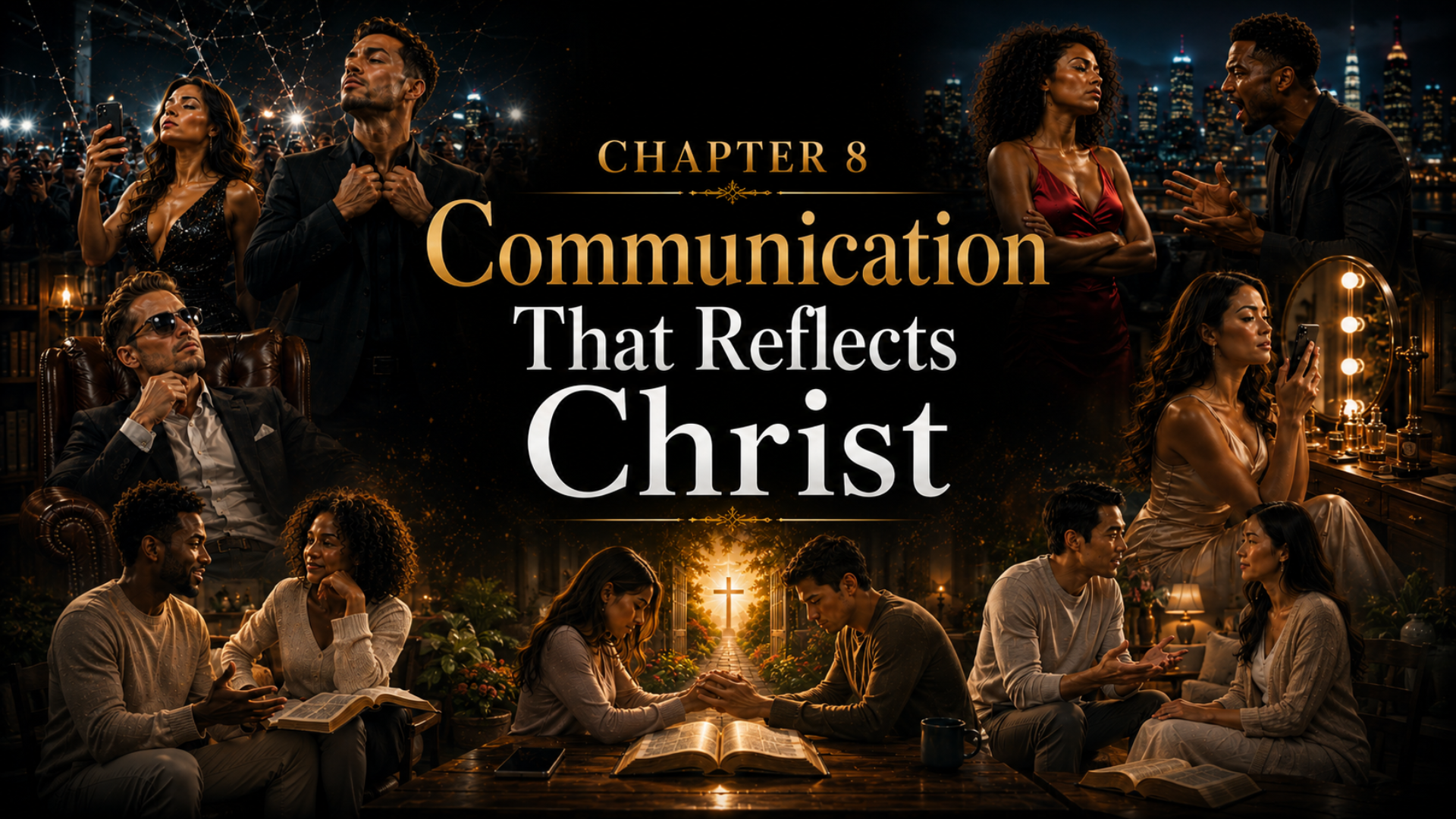
CHAPTER 8 —COMMUNICATION THAT REFLECTS CHRIST.
Christ-centered communication combines truth with love, courage with gentleness, and honest confrontation with a desire for restoration. This chapter explores careful listening, speaking truth in love, active listening, emotional regulation, biblical conflict resolution, and redemptive confrontation. Couples are encouraged to seek understanding rather than victory and to accept personal responsibility instead of continually assigning blame. Through dependence upon the Holy Spirit, criticism, defensiveness, manipulation, and emotional reactions can gradually be replaced by gracious speech, patience, forgiveness, emotional safety, mutual understanding, and reconciliation.
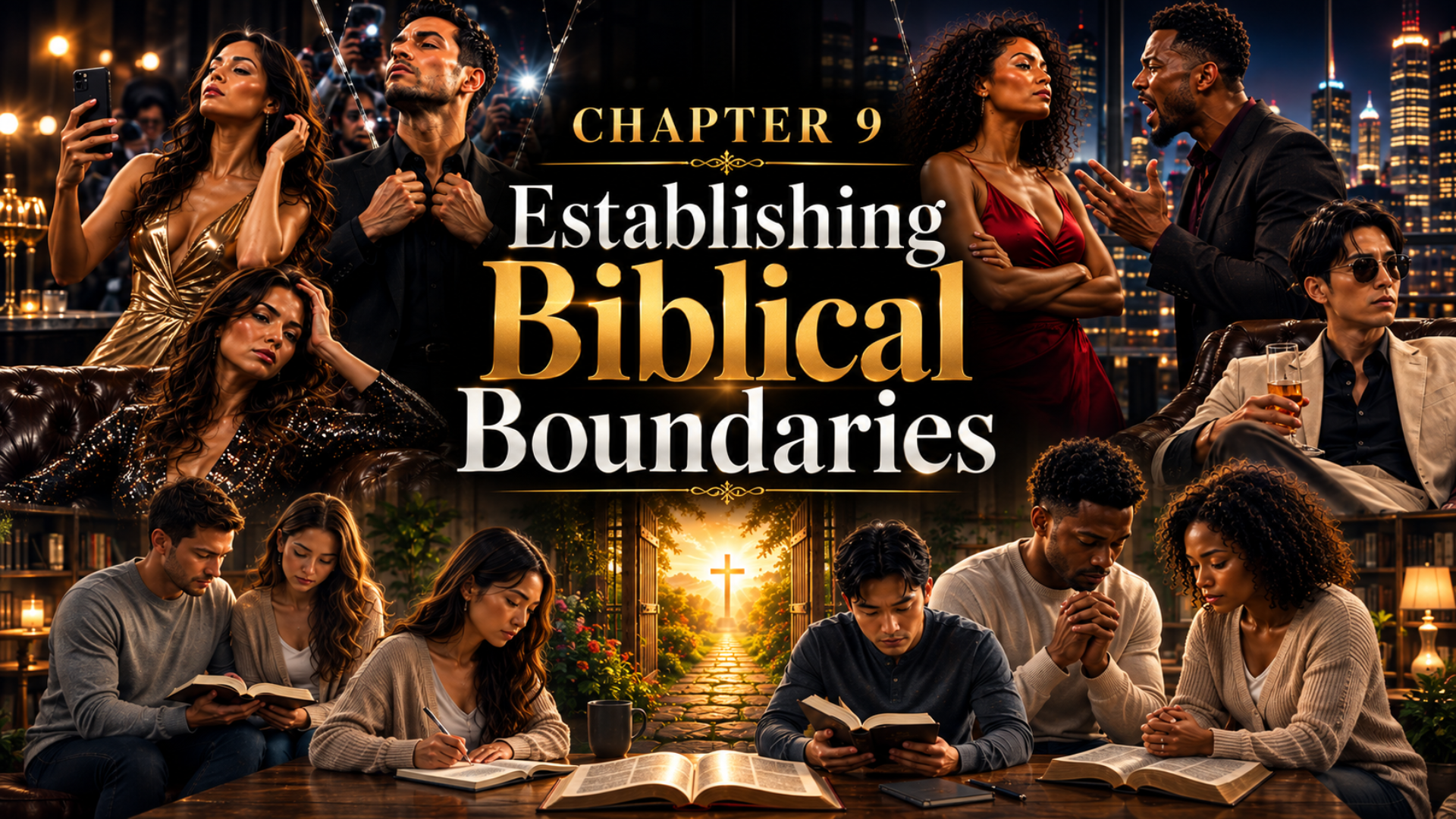
CHAPTER 9 — ESTABLISHING BIBLICAL BOUNDARIES.
Biblical boundaries protect truth, encourage personal responsibility, and create healthier conditions for genuine love without enabling destructive behavior. This chapter explains what boundaries are, what they are not, and how accountability and appropriate consequences can encourage repentance and spiritual growth. Matthew 18 and Galatians 6 provide principles for loving confrontation and restoration, while church support can provide additional wisdom. Healthy boundaries combine compassion with discernment, allowing spouses to forgive sincerely while refusing manipulation, abuse, dishonesty, or repeated violations of trust.
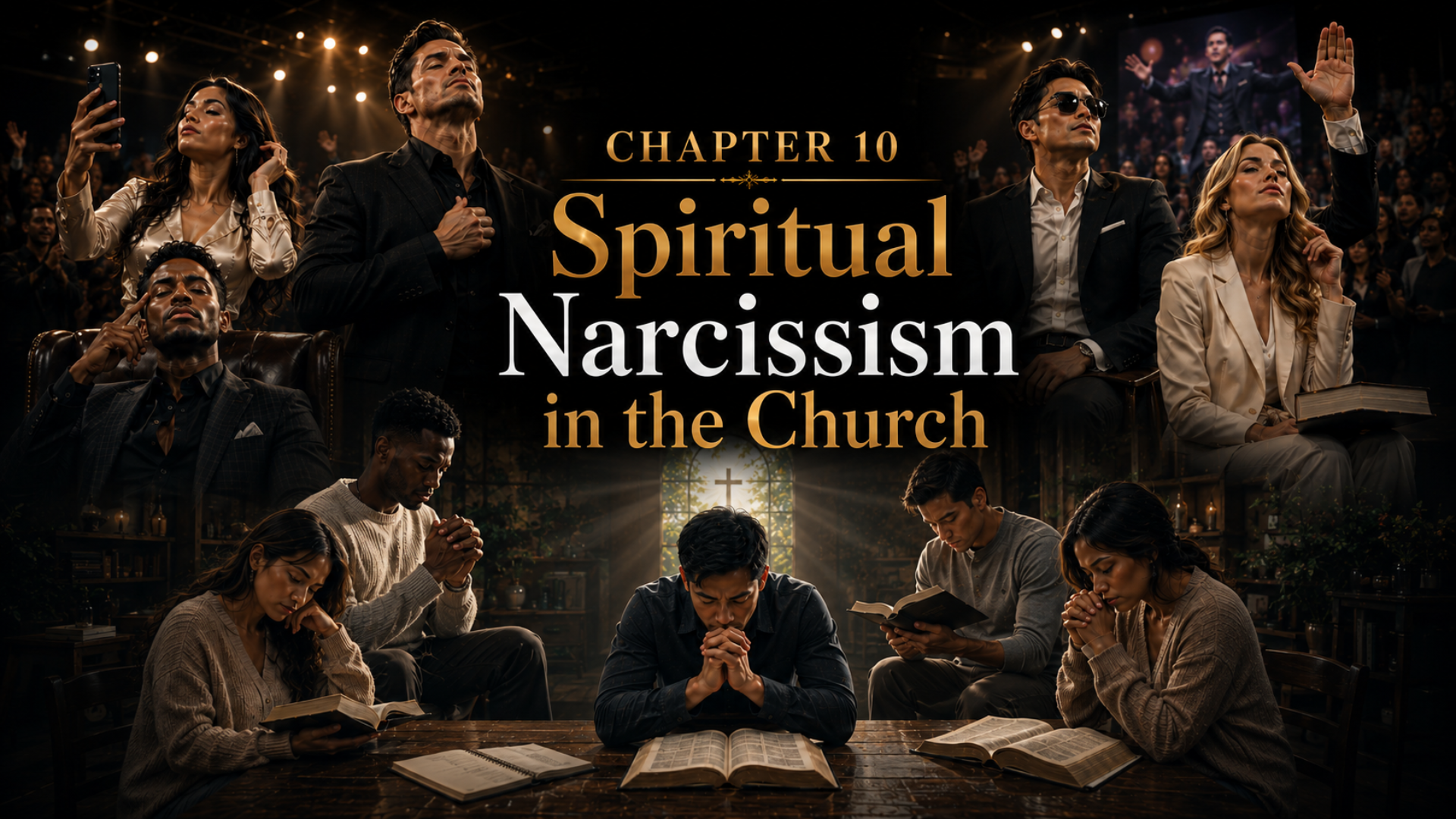
CHAPTER 10 — SPIRITUAL NARCISSISM IN THE CHURCH
Spiritual narcissism occurs when religious knowledge, ministry, prophecy, leadership, submission, or biblical authority becomes a means of self-exaltation and control. This chapter exposes religious manipulation, distorted headship, misuse of prophecy, false humility, and abusive church leadership. Christ's servant leadership provides the opposite model through humility, truth, compassion, accountability, and sacrifice. Husbands, wives, and church leaders are encouraged to examine their motives, respect individual conscience, test teachings by Scripture, reject spiritual coercion, and continually direct attention toward Christ rather than human authority.
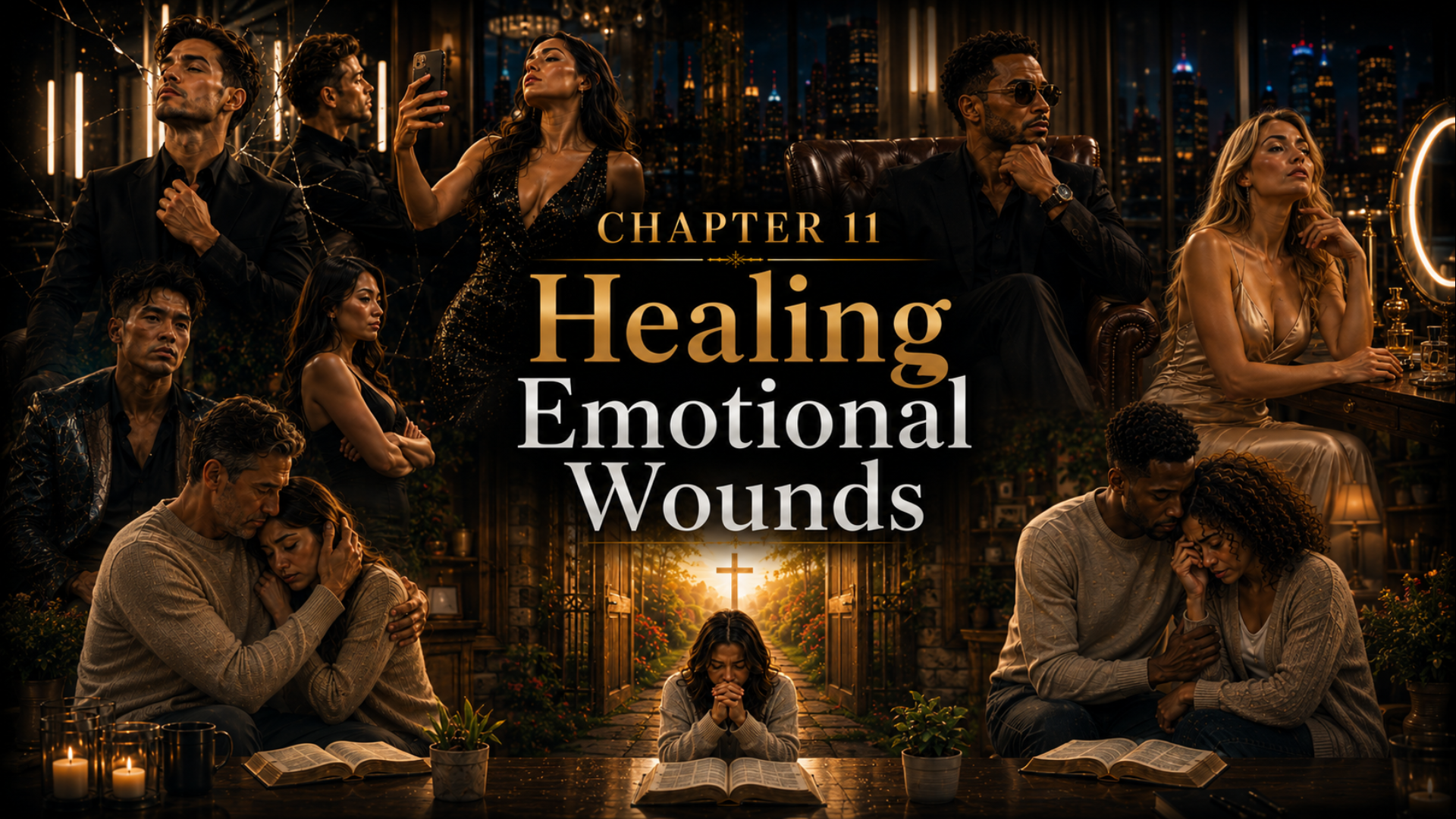
CHAPTER 11 — HEALING EMOTIONAL WOUNDS
Narcissistic relationships can produce emotional wounds involving trauma, anxiety, fear, depression, shame, rejection, and broken trust. This chapter presents Christ as the healer of wounded hearts while acknowledging that recovery may require patience, prayer, Scripture, fellowship, wise counsel, and practical support. Forgiveness releases personal vengeance without denying wrongdoing or automatically restoring trust. As believers ground their identity in Christ rather than another person's treatment, shame and fear can gradually lose their power while spiritual confidence, emotional stability, peace, and hope are restored.

CHAPTER 12 — WHEN CHILDREN LIVE IN A NARCISSISTIC HOME.
Children living within narcissistic family systems may experience trauma, favoritism, emotional neglect, manipulation, or unhealthy roles such as the golden child, scapegoat, and invisible child. These experiences can shape identity, trust, relationships, and perceptions of God into adulthood. This chapter calls parents toward biblical parenting characterized by love, consistency, emotional availability, wise discipline, listening, encouragement, and spiritual instruction. Through Christ, unhealthy generational patterns can be broken and children can discover security, dignity, healing, and an identity rooted in God's unconditional love.
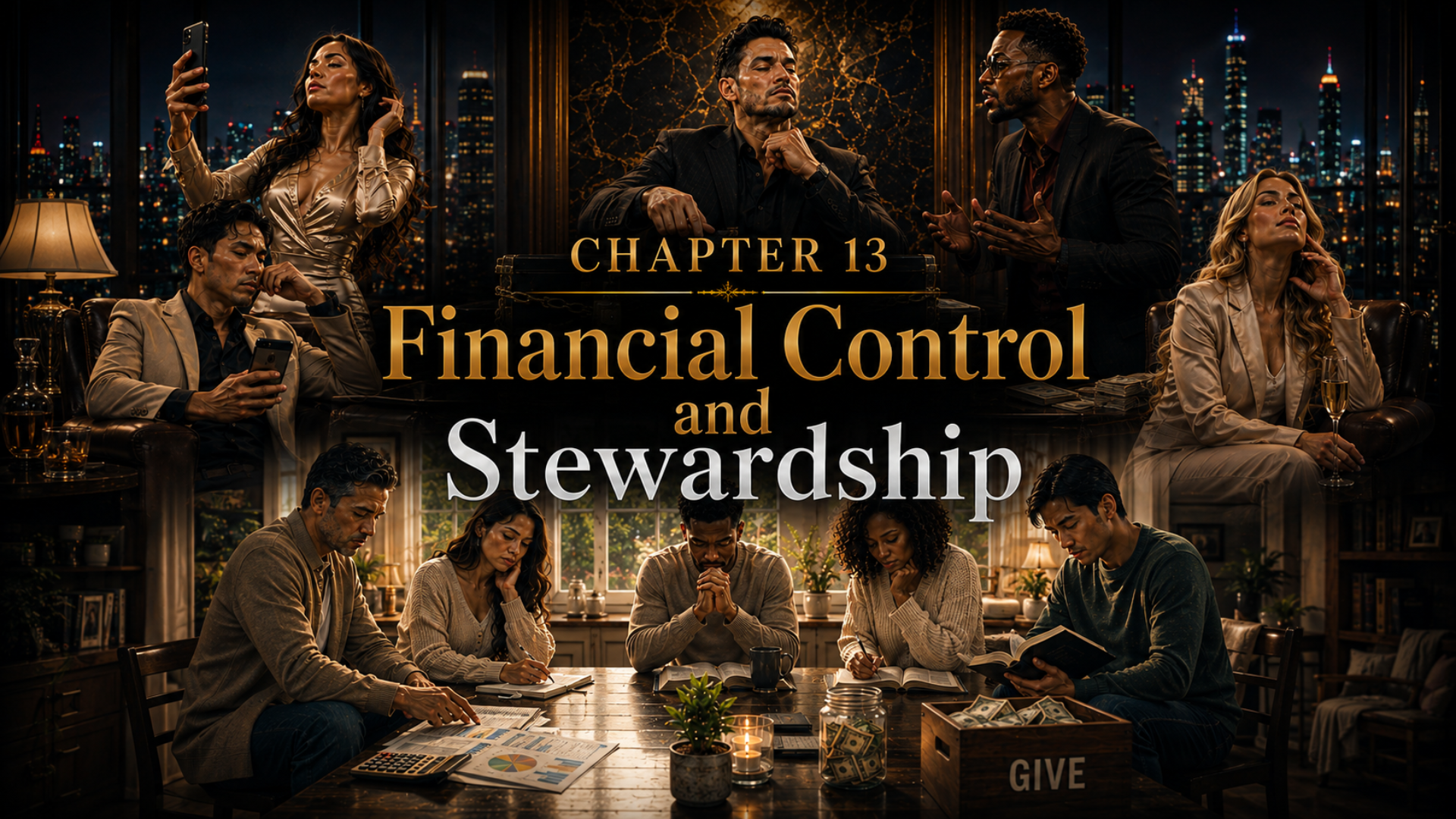
CHAPTER 13 — FINANCIAL CONTROL AND STEWARDSHIP
Financial abuse occurs when money, employment, debt, property, or access to resources becomes a means of manipulation or control. This chapter addresses secret spending, financial dishonesty, economic dependence, manipulation through money, and unequal access to family resources. Biblical stewardship offers a healthier model based upon God's ownership, transparency, accountability, budgeting, generosity, contentment, and mutual participation. Husbands and wives are encouraged to manage resources as partners under God's authority, allowing financial honesty and responsible stewardship to strengthen trust, unity, security, and spiritual faithfulness.
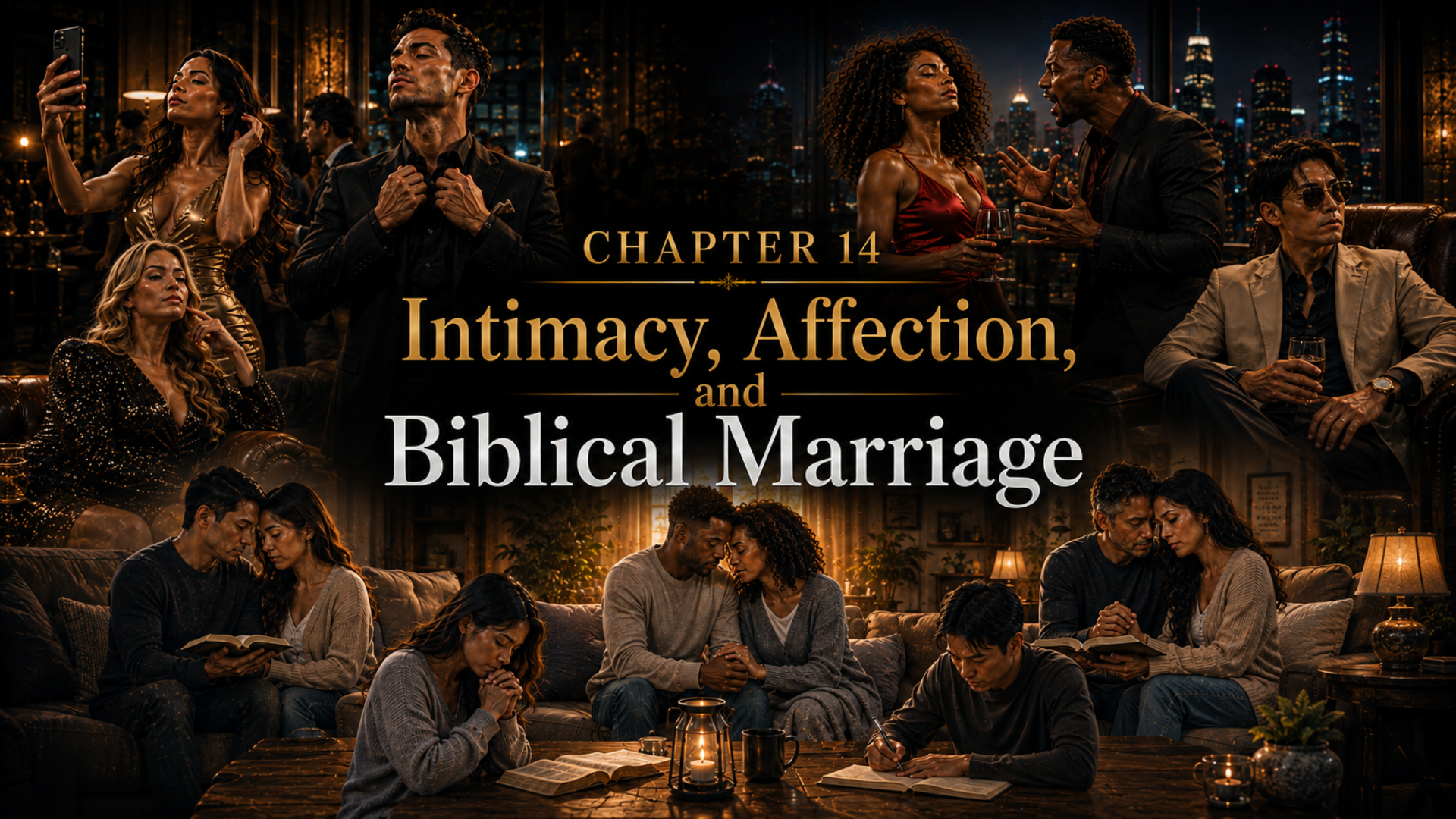
CHAPTER 14 — INTIMACY, AFFECTION, AND BIBLICAL MARRIAGE
Biblical intimacy includes spiritual unity, emotional closeness, affection, mutual respect, trust, vulnerability, and service. This chapter explains that intimacy flourishes where spouses experience emotional safety rather than manipulation, coercion, rejection, or control. Trust grows through consistent honesty and faithfulness, while damaged trust requires genuine repentance and time to rebuild. Christ provides security for those wounded by rejection and teaches husbands and wives to serve rather than demand. As selfishness decreases, marriage can increasingly reflect God's original design for loving covenant companionship.

CHAPTER 15 — WHEN ONLY ONE SPOUSE WANTS TO CHANGE.
When one spouse desires healing while the other resists change, discouragement and loneliness can become overwhelming. This chapter teaches faithful endurance through long-suffering, prayer, patience, biblical boundaries, church support, and confidence in God's timing. The faithful spouse cannot force repentance or conversion because genuine transformation belongs to the Holy Spirit. Instead, husbands and wives are encouraged to maintain personal obedience, reject false responsibility for another person's choices, seek wise support, and continue demonstrating Christlike character without enabling persistent destructive behavior.
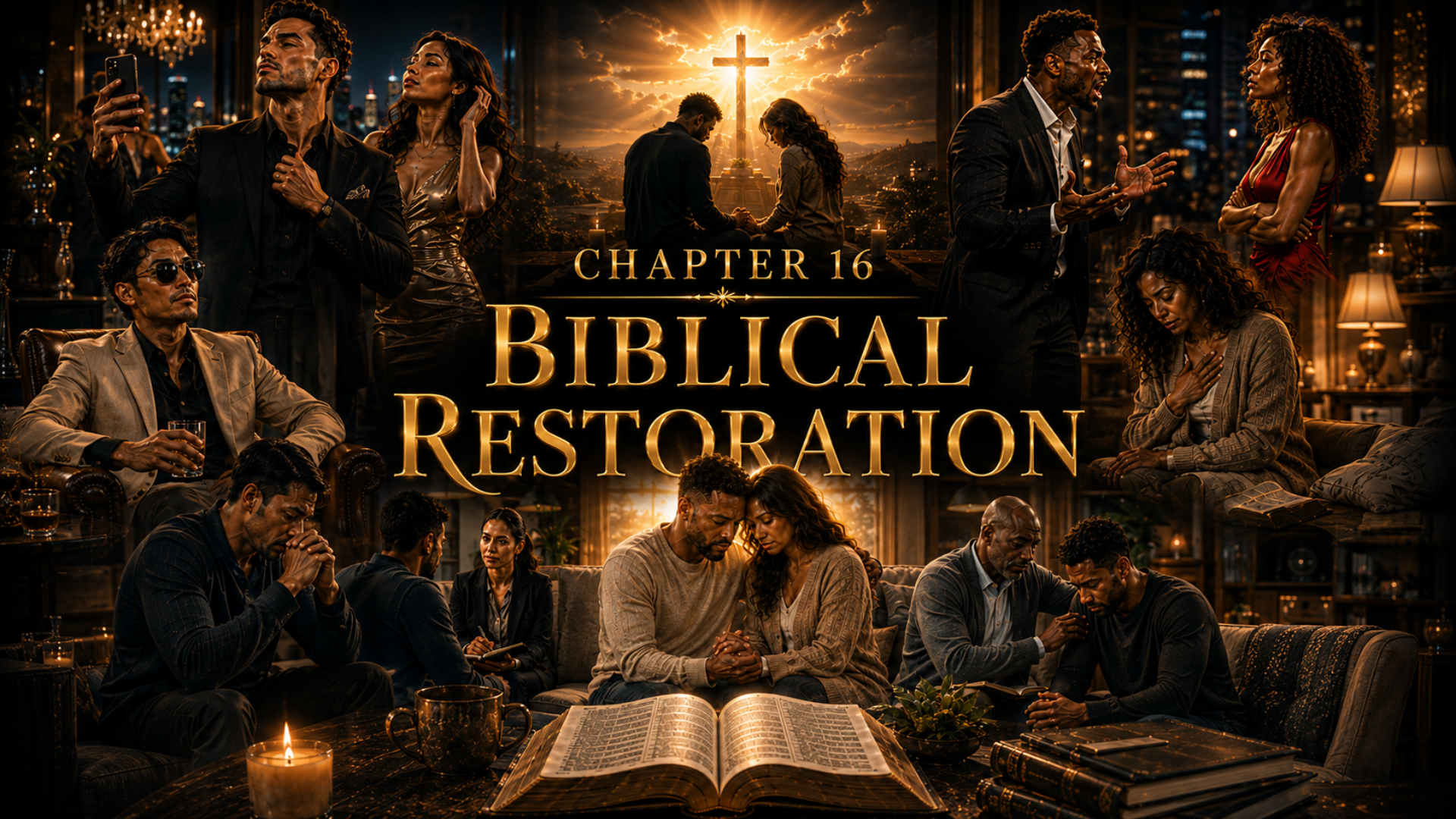
CHAPTER 16 — BIBLICAL RESTORATION.
True restoration requires more than promises because lasting change begins with repentance, confession, forgiveness, accountability, biblical counseling, spiritual disciplines, and observable spiritual fruit. Psalm 51 demonstrates genuine repentance, while First John 1 emphasizes confession, cleansing, truth, and walking in God's light. Broken trust should be rebuilt through consistent integrity rather than demanded immediately. Genuine transformation produces humility, patience, honesty, teachability, compassion, responsibility, and self-control. Through surrendered hearts and the Holy Spirit's work, broken marriages can become testimonies of God's restoring and transforming grace.
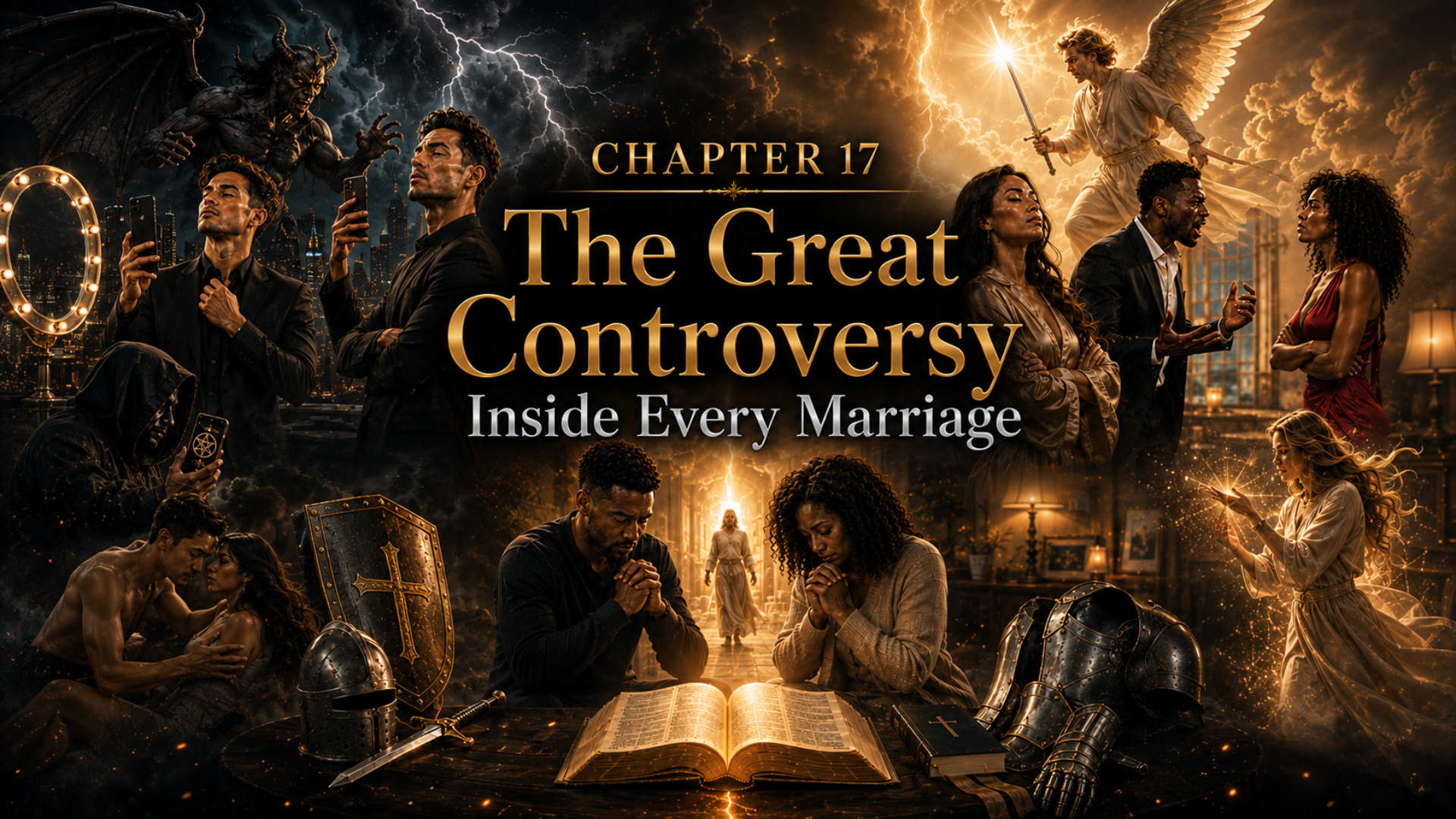
CHAPTER 17 — THE GREAT CONTROVERSY INSIDE EVERY MARRIAGE.
Every Christian marriage exists within the Great Controversy between Christ's kingdom of selfless love and Satan's kingdom of pride and rebellion. This chapter explores spiritual warfare, prayer, holy angels, demonic deception, Ephesians 6 and the armor of God, Revelation 12, and victory through Jesus Christ. Couples are reminded that their spouse is not the ultimate enemy. Every victory over selfishness, bitterness, deception, manipulation, and pride demonstrates Christ's transforming power and allows marriage to become a living testimony of heaven's principles.

CHAPTER 18 — HOPE FOR THE SPOUSE WHO FEELS TRAPPED.
Spouses facing persistent manipulation, criticism, control, or emotional neglect may feel trapped and uncertain about the future. This chapter offers biblical hope through endurance, wisdom, safe boundaries, church family support, appropriate professional assistance, and God's promises. Psalm 46 presents God as refuge and strength, Isaiah 41 promises His sustaining presence, and Romans 8 declares the permanence of His love. Hope is grounded not in another person's promises to change, but in God's unchanging character, wisdom, presence, and faithful guidance.
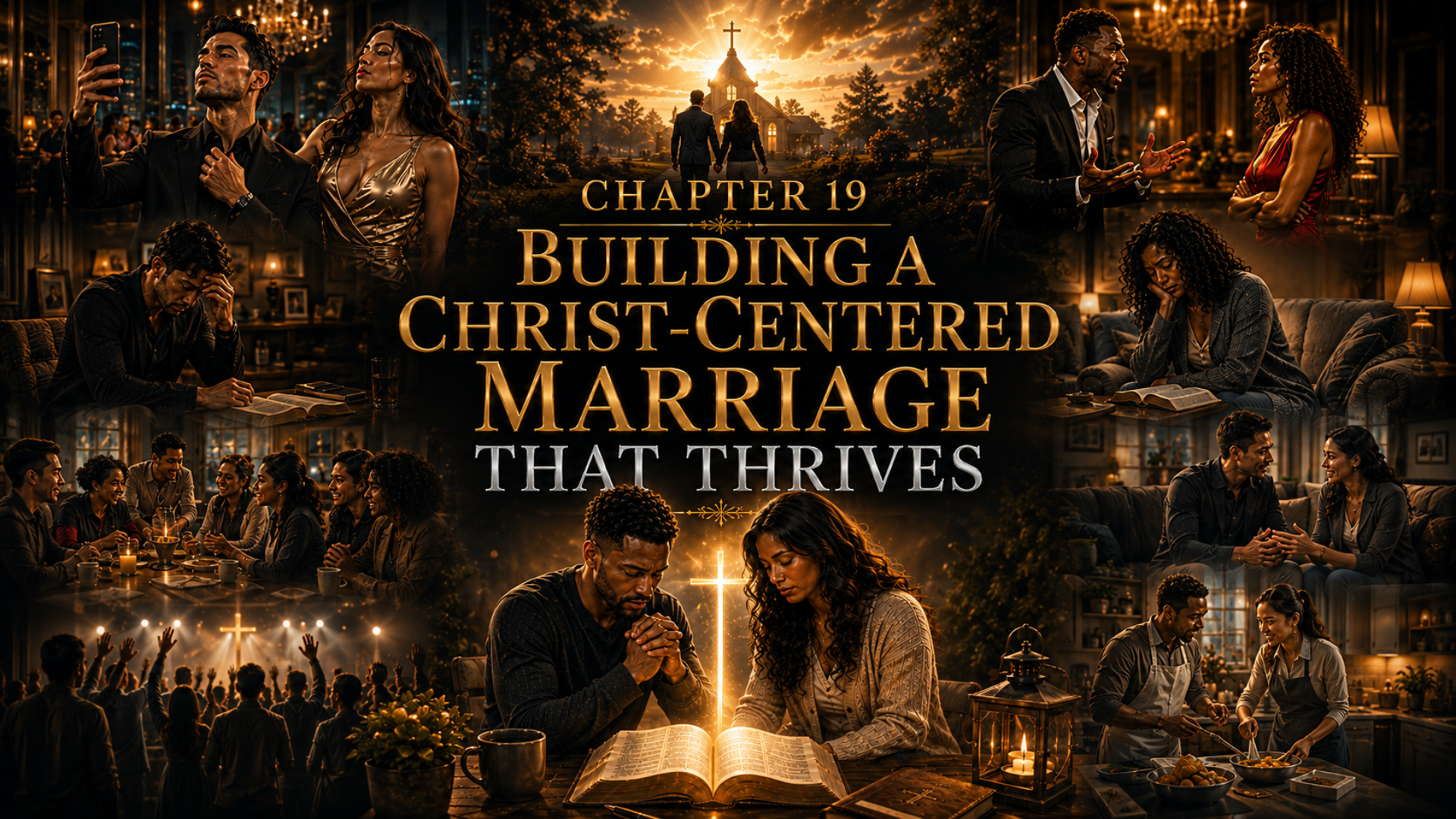
CHAPTER 19 — BUILDING A CHRIST-CENTERED MARRIAGE THAT THRIVES.
Thriving marriages intentionally place Jesus Christ at the center through daily worship, healthy communication, prayer, mutual service, friendship, shared mission, biblical expressions of love, and continuing spiritual growth. This chapter encourages spouses to become safe companions who listen, encourage, serve, appreciate, and support one another without manipulation or keeping score. Spiritual growth requires individual surrender alongside shared devotion. As both spouses increasingly reflect Christ, pride and selfishness can give way to humility, companionship, forgiveness, generosity, emotional security, shared purpose, and covenant faithfulness.
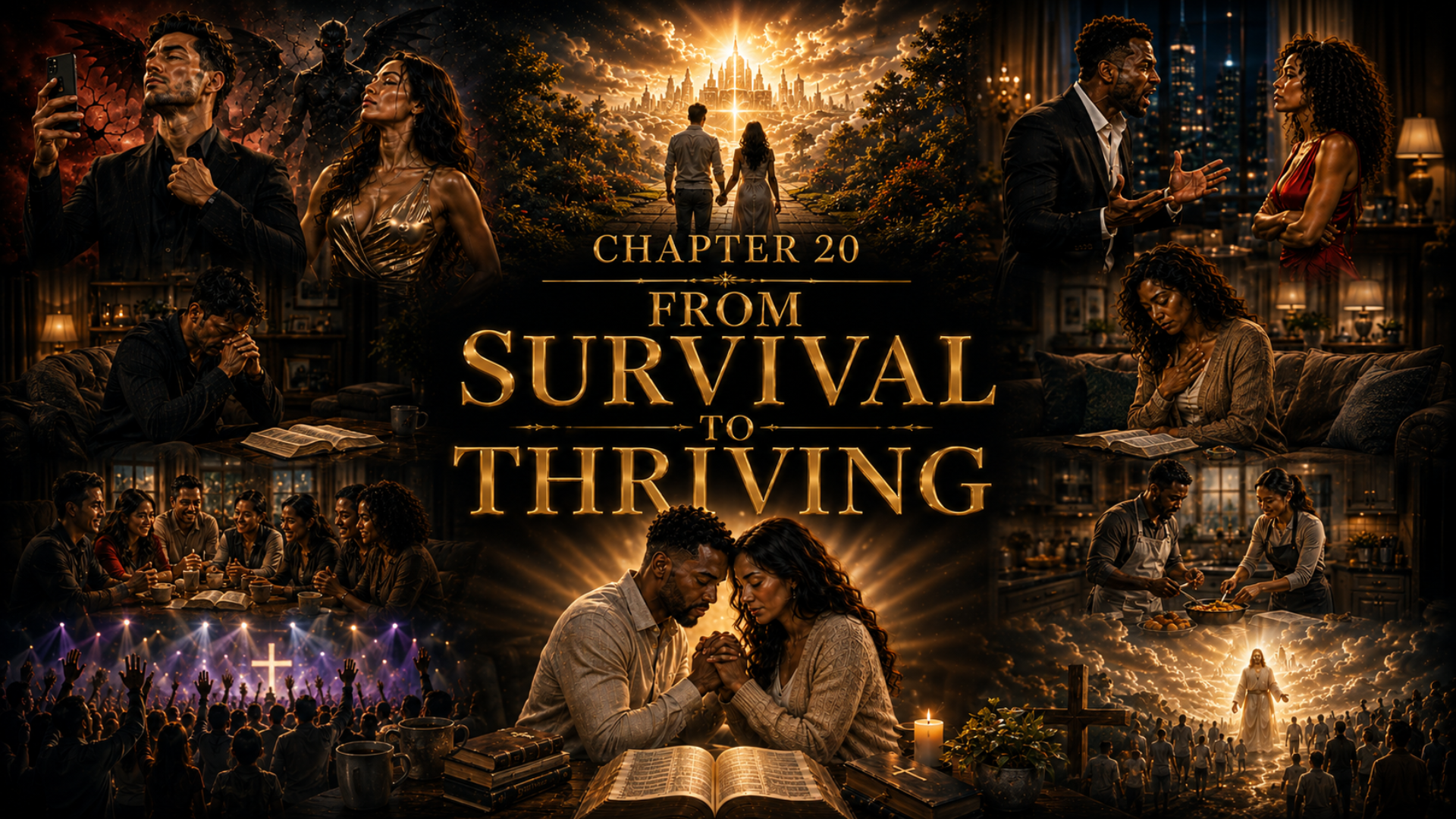
CHAPTER 20 — FROM SURVIVAL TO THRIVING.
The final chapter moves beyond merely surviving narcissistic conflict toward victorious Christian living, restoration, healing, renewed trust, stronger marriage, and preparation for Christ's return. Revelation 21 provides hope of complete restoration, Philippians 3 encourages believers to press forward, and Hebrews 12 directs their attention toward Jesus. Keeping Christ at the center transforms the home into a testimony of heaven's principles. Every victory over pride, manipulation, selfishness, and brokenness advances God's purpose within the Great Controversy and prepares families for eternity.
FROM SURVIVING TO THRIVING WITH CHRIST
Discover Biblical Hope, Healing, Restoration, and Practical Guidance for Overcoming Narcissistic Conflict and Building a Stronger Christ-Centered Marriage. Recognize destructive relationship patterns, understand narcissistic behaviors, establish healthy biblical boundaries, strengthen communication, rebuild damaged trust, protect your family, and discover practical principles for genuine healing and restoration through Jesus Christ. DOWNLOAD THE DIGITAL PLAYBOOK TODAY AND BEGIN YOUR JOURNEY TOWARD BIBLICAL HEALING, RENEWED HOPE, STRONGER RELATIONSHIPS, AND A CHRIST-CENTERED HOME.
$19.97